
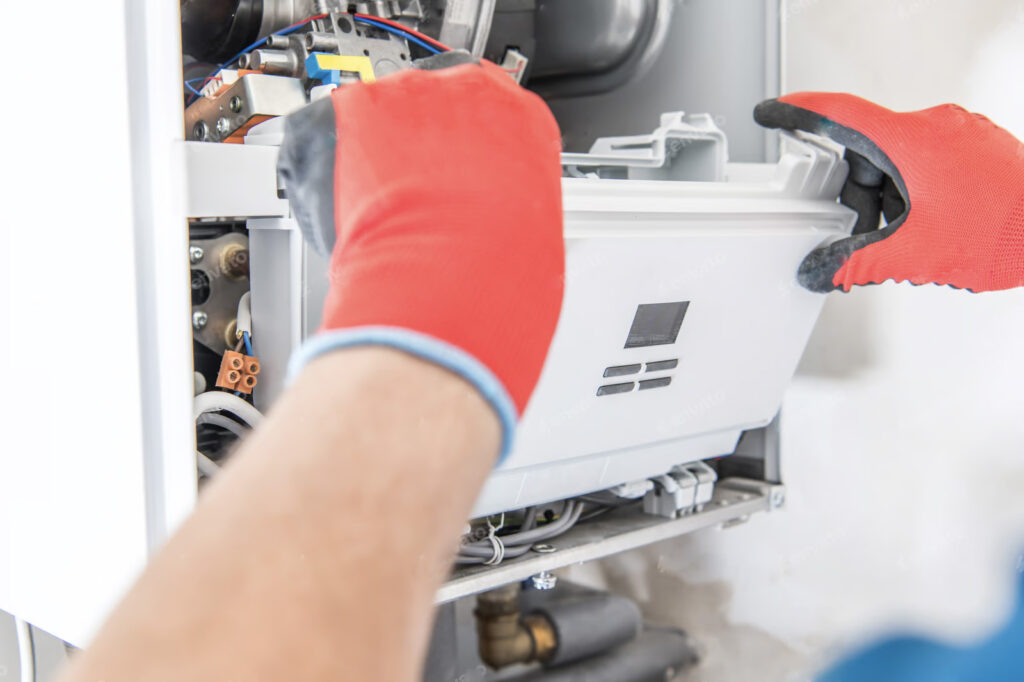
Gas boiler maintenance is an essential task that ensures efficiency, safety, and longevity. When properly maintained, boilers provide consistent heating and hot water while operating at peak efficiency. In this article, a range of tips will be provided to help homeowners understand how their boilers should be cared for, with a focus on engaging professional services to maximise safety and peace of mind.
Gas Boiler Maintenance: Regular Servicing by Professionals Should Be Prioritised
The importance of annual servicing by a qualified professional cannot be overstated. Boilers, especially modern ones, are complex systems that require a trained eye to assess their performance and identify potential issues. By scheduling an annual boiler service, homeowners are ensured that problems such as gas leaks, worn-out components, or inefficient operation are detected early. This proactive approach is also known to reduce the risk of sudden breakdowns during colder months when the boiler is relied upon most.
Professional engineers, who are often registered with RGI in Ireland or an equivalent certification body in other regions, should always be chosen. These professionals are trained to work with gas appliances safely. Their inspections typically include checking the heat exchanger, burner, and flue as well as testing for carbon monoxide leaks. Peace of mind is provided through the issuance of a service record or certificate, which is particularly useful for landlords or homeowners looking to sell their property.
Gas Boiler Maintenance: The Importance of Monitoring Boiler Pressure
A consistent boiler pressure level is essential for optimal operation. Modern gas boilers are equipped with a pressure gauge, which should be checked regularly by homeowners. Ideally, the pressure is maintained between 1.0 and 2.0 bar when the system is cold. A pressure that is too low or too high can lead to inefficiency or even damage to the boiler’s internal components.
Adjustments to the pressure should be performed carefully, and guidance from the boiler’s manual should be followed. If unclear, assistance from a professional is recommended to avoid mistakes that could compromise safety. Pressure-related issues are best resolved by a certified engineer, as incorrect handling could lead to further complications or expensive repairs.
Gas Boiler Maintenance: Bleeding Radiators Should Be Considered
A task that is sometimes required to maintain the efficiency of a heating system is the bleeding of radiators. This process, which involves releasing trapped air from the system, ensures that water circulates efficiently through the pipes and radiators. Cold spots on radiators are a common sign that bleeding may be required.
While this task can be undertaken by homeowners, care should be exercised. Radiator keys, available at most hardware stores, are used to turn the valve at the top of the radiator. A towel should be held underneath to catch any escaping water. If problems persist after bleeding, it is advisable to call a professional engineer to check the entire system. The presence of sludge or debris in the system may require a more thorough cleaning process such as a power flush.
Filters and Magnetic Systems Should Be Inspected
Modern boilers often incorporate filters or magnetic systems designed to trap debris and prevent it from circulating through the heating system. Over time, these filters can become clogged, reducing their effectiveness. Professional engineers are typically relied upon to inspect and clean these filters during a routine service.
By keeping filters clean, the efficiency of the boiler is improved, and wear on components such as the pump and heat exchanger is minimised. Additionally, regular inspection of the magnetic filter ensures that sludge build-up, often caused by corrosion inside radiators and pipes, is addressed before it becomes problematic.
Ventilation and Boiler Placement Must Be Maintained
Ensuring proper ventilation around the boiler is critical for its safe operation. Boilers should always be installed in accordance with manufacturer’s guidelines, with adequate space left around them for ventilation and servicing. Blocked vents or enclosed spaces can lead to overheating and increased risks of carbon monoxide leaks.
Professional installers and engineers should be consulted when the boiler’s location is being considered or when concerns about ventilation arise. Boiler cupboards, if used, must comply with recommendations for adequate airflow. Additionally, carbon monoxide alarms should be installed near the boiler to provide an extra layer of safety.
Regular Checks of the Flue Are Encouraged
The flue, which expels gases produced during combustion, must be kept clear and functioning properly. Blockages in the flue could result in harmful gases, such as carbon monoxide, being trapped inside the home. Visual inspections of the flue for damage or obstructions are advised, though professional inspections are crucial for a more thorough check.
During a professional service, the engineer will examine the flue to ensure it is properly sealed and functioning as designed. Any repairs or replacements needed for the flue are best handled by a qualified technician to ensure compliance with safety regulations.
Draining the Boiler System Occasionally May Be Necessary
Over time, sediment can accumulate within the boiler system, reducing its efficiency. Draining the system allows this sediment to be removed. While draining can sometimes be performed by homeowners, this task is best left to professionals to ensure that it is carried out correctly and that the system is refilled and repressurised safely.
Professionals may also recommend the addition of an inhibitor solution, which is used to prevent corrosion and scale build-up within the heating system. By taking this precaution, the lifespan of the boiler and its components can be extended.
Smart Thermostats and Advanced Controls Should Be Installed
Many modern boilers are compatible with smart thermostats and advanced control systems. These devices, which allow precise control of heating schedules and temperatures, can significantly improve energy efficiency. Homeowners are encouraged to familiarise themselves with these systems to optimise their boiler’s performance.
Installation and integration of smart thermostats are tasks often carried out by professionals to ensure that the system is set up correctly and that all features are accessible. When properly configured, these devices can provide insights into energy usage and help identify irregularities in boiler performance.
Safety Checks for Gas Leaks Are Crucial
Gas leaks, while rare, pose a significant risk to health and safety. Homeowners are encouraged to remain vigilant for signs of a gas leak, such as an unusual smell or hissing sounds near the boiler. If a leak is suspected, the gas supply should be turned off immediately, and professional assistance should be sought without delay.
Routine servicing by certified engineers includes checks for gas leaks using specialised equipment. These checks are essential for ensuring the safe operation of the boiler and for providing homeowners with peace of mind.
The Role of Boiler Warranties and Insurance
Modern gas boilers are often sold with warranties that cover repairs and parts for a specified period. These warranties typically require annual servicing by a qualified professional to remain valid. Homeowners are encouraged to familiarise themselves with the terms of their boiler’s warranty to avoid unexpected expenses.
In addition to warranties, boiler insurance policies are available that provide coverage for repairs and emergency callouts. Such policies can be especially useful for older boilers or systems that are relied upon heavily. Peace of mind is enhanced when homeowners are protected against the financial impact of unexpected breakdowns.
The Value of a Professional Approach
While many routine maintenance tasks can be undertaken by homeowners, the involvement of a professional is often necessary to ensure that a gas boiler operates safely and efficiently. Boiler Works Certified engineers bring expertise and equipment that allow us to identify issues that may not be apparent to the untrained eye. Moreover, the reassurance provided by professional servicing is invaluable when considering the safety of the household.
In conclusion, maintaining a modern gas boiler requires a combination of regular checks, cleaning, and professional servicing. By prioritising safety and efficiency, homeowners are ensured that their heating systems perform optimally throughout their lifespan. Professional involvement, particularly for tasks involving gas safety, is strongly advised to minimise risks and provide peace of mind. With these tips in mind, a boiler’s performance and longevity can be preserved, allowing it to serve as a reliable source of warmth and comfort for many years. Contact Boiler Works for all your boiler maintenance requirements.


Call Boiler Works

