
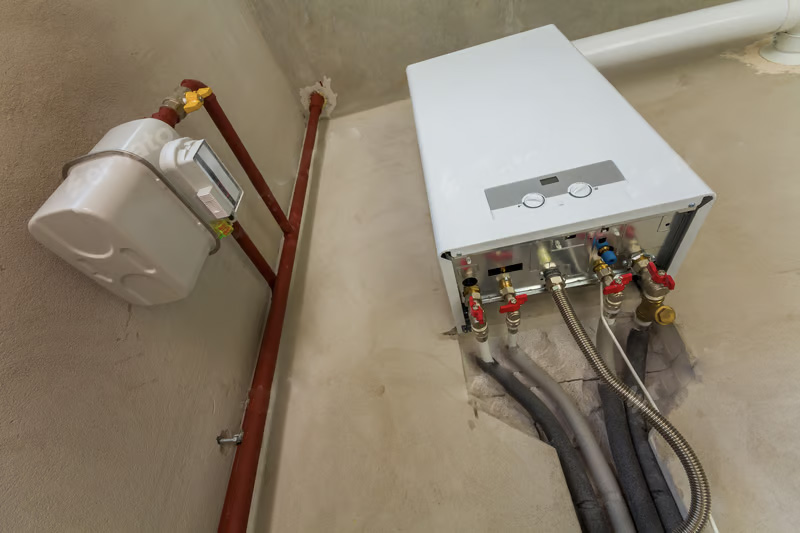
Choosing the right boiler for a property is a critical decision that impacts energy efficiency, comfort, and long-term costs. With various types of boilers available, including gas and oil models, careful consideration must be given to factors such as fuel type, property size, and energy requirements. In this article, the key aspects that should be evaluated when selecting a heating boiler will be outlined, with an emphasis on the advantages and disadvantages of gas and oil boilers.
Choosing the right boiler: The Fuel Source Must Be Evaluated
One of the most important decisions to be made involves the selection of a fuel source. Gas boilers, which are widely used in urban areas, are typically connected to a central gas supply network. Oil boilers, on the other hand, rely on oil that is delivered and stored on-site in a tank. Both options are suitable for residential and commercial properties, but differences in fuel availability and cost must be taken into account.
Gas boilers are often favored in areas where natural gas is readily available. They are known for their lower running costs and higher energy efficiency compared to oil boilers. Additionally, gas is considered a cleaner-burning fuel, making it an environmentally friendly option. However, the installation of a gas boiler may not be feasible in remote or rural locations where access to a gas supply network is limited.
Oil boilers are typically chosen for properties located in rural areas without access to mains gas. They are powered by heating oil, which is delivered to the property by a supplier and stored in a tank. While oil boilers can provide high levels of heating efficiency, fluctuations in oil prices can lead to higher running costs. Moreover, the environmental impact of oil combustion is greater than that of gas, which should be considered by those seeking a more sustainable heating solution.
Boiler Size and Capacity Must Be Matched to the Property
The size and capacity of the boiler play a crucial role in ensuring adequate heating and hot water supply. Oversized boilers are likely to waste energy, while undersized models may struggle to meet the demands of the household. Therefore, the heating requirements of the property should be carefully assessed.
For smaller properties, a compact boiler with a lower output may be sufficient. Gas combi boilers, which provide both heating and hot water on demand, are particularly well-suited to apartments and small homes. These boilers eliminate the need for a separate hot water cylinder, making them an efficient and space-saving option.
Larger properties with higher heating and hot water demands may require a system or regular boiler. These boilers are designed to work with a hot water cylinder and are capable of delivering consistent performance even in households with multiple bathrooms. Oil boilers, which are often available in larger capacities, can also be considered for such properties if access to gas is not available.
Energy Efficiency Ratings Should Be Reviewed
Energy efficiency is an important factor that affects both the running costs and environmental impact of a heating boiler. Modern gas and oil boilers are typically designed with energy efficiency in mind, and most models come with an efficiency rating known as the Seasonal Efficiency rating or an equivalent in other regions with a minimum efficiency rating of 90% in Ireland.
Gas boilers are often rated more highly for energy efficiency compared to oil boilers. Condensing gas boilers, in particular, are capable of achieving efficiencies of over 90% by capturing and reusing heat from flue gases. This level of efficiency translates to lower energy bills and reduced carbon emissions.
Oil boilers, while less efficient than their gas counterparts, have seen improvements in design and technology. Condensing oil boilers are now available, offering higher efficiency levels than older non-condensing models. However, the need for regular maintenance and servicing to maintain efficiency must be considered when opting for an oil boiler.
Installation Requirements Should Be Assessed
The installation process for a heating boiler can vary depending on the type of fuel and system chosen. Gas boilers require a connection to the mains gas supply, as well as a flue for venting exhaust gases. Professional installation by a Gas Safe-registered engineer is essential to ensure compliance with safety regulations.
For oil boilers, additional considerations are required due to the need for an on-site storage tank. The location and installation of the oil tank must adhere to building regulations, with attention given to factors such as distance from the property and access for fuel deliveries. Professional installation by a certified technician is recommended for oil boiler systems.
Space requirements should also be considered during installation. Gas combi boilers are compact and can often be wall-mounted in kitchens or utility rooms. Oil boilers, due to the presence of the storage tank, may require more space and are often installed in garages or external boiler houses.
Choosing the right boiler: Running Costs and Maintenance Should Be Compared
The ongoing costs associated with operating and maintaining a boiler must be factored into the decision-making process. Gas boilers generally have lower running costs due to the affordability of natural gas. They also require less frequent servicing compared to oil boilers, which can contribute to overall cost savings.
Oil boilers, while potentially more expensive to run, may offer advantages in areas where oil prices are stable or competitive. However, the cost of oil delivery and the need for regular tank inspections must be accounted for. Maintenance costs for oil boilers are typically higher, as oil combustion produces soot and deposits that require cleaning.
Both gas and oil boilers should be serviced annually by a qualified professional to ensure safe and efficient operation. Regular servicing helps to identify potential issues before they become costly repairs and ensures that the boiler continues to operate within the manufacturer’s specifications.
Choosing the right boiler: Environmental Considerations Should Be Taken into Account
The environmental impact of a heating boiler is an important consideration for eco-conscious homeowners. Gas boilers are widely regarded as a cleaner option due to the lower carbon emissions associated with natural gas combustion. The use of condensing technology further reduces emissions by improving energy efficiency.
Oil boilers, while less environmentally friendly, can be made more sustainable by using biofuels or blends that include renewable components. These options are being explored as part of efforts to reduce the carbon footprint of oil-based heating systems. However, the widespread adoption of such fuels may be limited by availability and cost.
For those seeking the most sustainable option, alternatives such as heat pumps or solar thermal systems may be considered. These technologies, while requiring a higher upfront investment, can significantly reduce reliance on fossil fuels and lower carbon emissions.
Warranties and After-Sales Support Should Be Considered
When investing in a new boiler, the availability of warranties and after-sales support should not be overlooked. Reputable manufacturers often provide warranties that cover parts and labor for a specified period, offering peace of mind to homeowners.
Gas boilers are commonly sold with longer warranties compared to oil boilers, reflecting the lower likelihood of component failure. Access to replacement parts and technical support is typically easier for gas boilers, given their widespread use. Oil boilers, while reliable, may require more effort to source parts or secure servicing in areas where oil heating systems are less common.
Conclusion
The selection of a heating boiler for a property is influenced by several factors, including fuel type, property size, energy efficiency, and installation requirements. Gas boilers, which are favoured for their efficiency and lower running costs, are well-suited to properties with access to a mains gas supply. Oil boilers, which offer flexibility in areas without gas connections, are a viable alternative for rural properties.
By carefully evaluating the heating requirements of the property and considering the long-term costs and environmental impact, the most suitable boiler can be chosen. Professional guidance from heating engineers and adherence to safety regulations will ensure that the installation is completed to the highest standard. Whether gas or oil is chosen, the right boiler will provide reliable and efficient heating for years to come.


Call Boiler Works

